
John Spilsbury dissected map origins provides dedicated puzzle lovers with an engaging, detailed perspective on why jigsaw puzzle continues to hold an enduring place in global culture. Whether you are taking a mindful break between workday meetings, solving during a relaxing morning commute, or winding down before evening sleep, a single puzzle session creates a welcome pocket of calm deductive clarity. Here on Jigsaw Puzzle Online, our ongoing mission is to share the rich stories, structural mechanics, and practical techniques that make every round an enjoyable intellectual experience.
You can put these strategic ideas into practice immediately on the Jigsaw Puzzle Online interactive board. To discover a wider universe of daily brain challenges, crosswords, jigsaws, and classic solitary card games, visit Easy Daily Puzzle or explore our full library of jigsaw puzzle puzzles on Easy Daily Puzzle.
John Spilsbury dissected map origins: the story and strategic heritage of jigsaw puzzle
The origin of the modern jigsaw puzzle dates back to 1766, when an enterprising London cartographer and engraver named John Spilsbury created the world’s first ‘dissected map’. Spilsbury mounted meticulously hand-colored copperplate engravings of world maps onto sturdy sheets of hardwood mahogany and cedar. Using a delicate hand-operated marquetry saw, he carefully cut along the national and continental borders, creating separate wooden pieces that children could reassemble. Marketed to wealthy Georgian families as an engaging educational toy to teach geography to royal and aristocratic children, including King George III’s heirs, Spilsbury’s invention became an instant commercial success. Spilsbury soon produced eight distinct educational maps covering Europe, Asia, Africa, and the Americas. His ingenious concept established a beloved tradition of tactile visual problem solving that continues to enchant millions of tabletop enthusiasts centuries later.
Reflecting on the deeper principles behind John Spilsbury dissected map origins shows why simple games maintain such enduring power over the human mind. Behind every elegant grid, card tableau, or jigsaw layout lies an intricate balance of order and uncertainty, designed to challenge our pattern recognition and deductive faculties. When modern solvers understand these underlying principles, the game transforms from a casual pastime into a deeply satisfying mindful practice. Every round becomes an opportunity to refine your approach, test your hypotheses, and experience the quiet joy of finding the right move.
Historical records and trusted sources behind John Spilsbury dissected map origins
Separating documented puzzle heritage from popular hearsay requires consulting authoritative historical and gaming records. For readers eager to examine archival rulebooks, championship history, and technical analyses, reference materials such as World Jigsaw Puzzle Championship official rules and The Strong National Museum of Play jigsaw history offer exceptional factual depth. These trusted publications document the creators, innovators, and international communities who have nurtured these games over centuries. Whether you are researching tournament scoring systems, mathematical proofs, or cultural origins, verified sources ground our modern play in enduring traditions.
How John Spilsbury dissected map origins guides player decisions in real games
Picture a large table covered in hundreds of loose pieces, with wide expanses of similar textures like rolling hills or calm water. The classic beginner pitfall is forcing pieces together along the border under dim room lighting, creating false fits that ruin the alignment. Using John Spilsbury dissected map origins encourages you to group high-contrast visual islands first, such as distinct building facades, bright signs, or textured flowers. Constructing these vibrant clusters provides solid, dependable visual anchors that effortlessly guide the remaining assembly.
Tabletop visual problem solving is always won through patience and keen observation. When you learn to read subtle shifts in color gradient, tab geometry, and line direction, piecing together a scattered image feels like effortless discovery. Each completed cluster cleans the workspace, giving you renewed clarity and momentum for the subtler background tones.
Essential player habits connected to John Spilsbury dissected map origins
- Sort pieces by dominant color families and distinctive textures into dedicated sorting trays.
- Assemble vibrant focal points and text elements to create self-contained anchor islands.
- Examine tab silhouettes and line continuations closely instead of forcing uncertain fits.
- Step back from the board periodically to let your peripheral vision spot subtle color shifts.
Why clean visual design elevates John Spilsbury dissected map origins
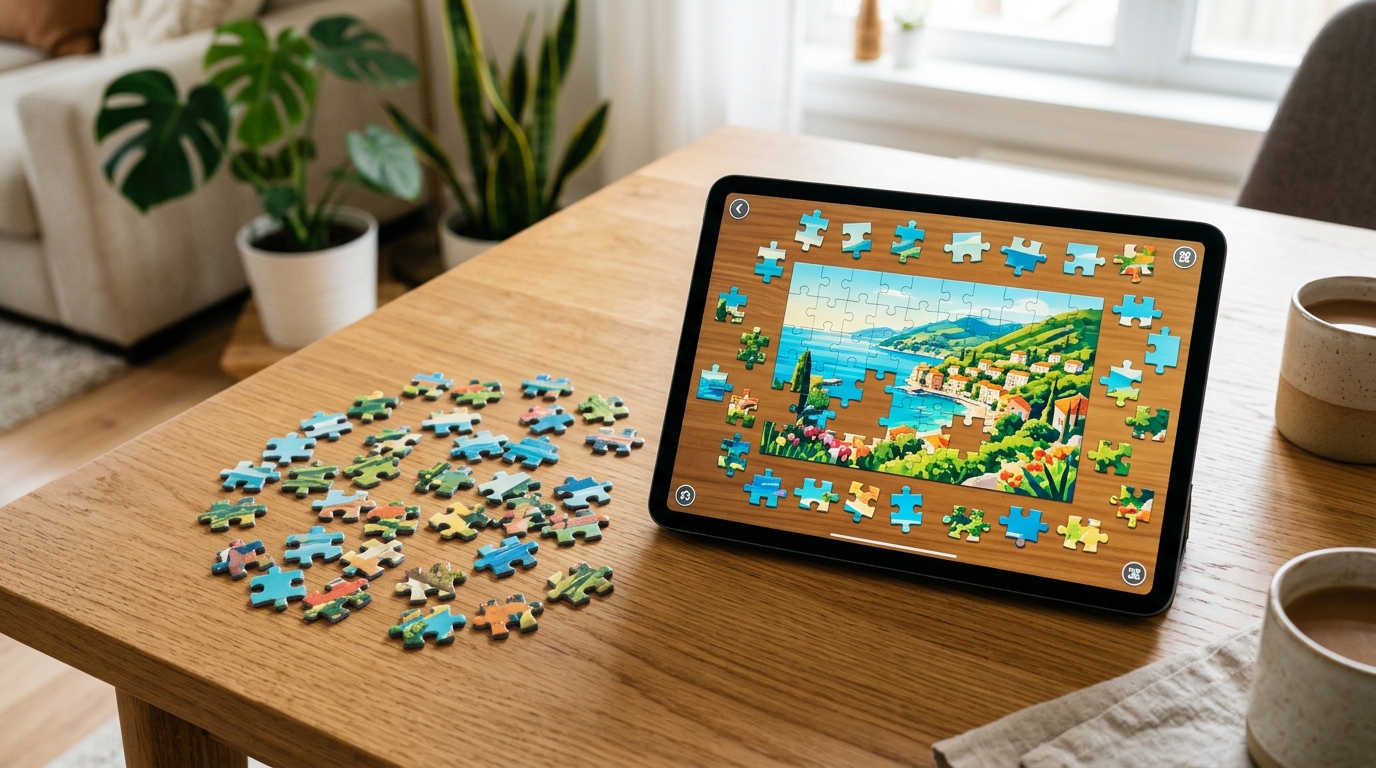
A clean, distraction-free visual presentation is essential for enjoying jigsaw puzzle on modern devices. The featured illustration accompanying this article has been selected to showcase the focused, calm atmosphere of deliberate play. Pairing clear visual graphics with descriptive alt text highlighting John Spilsbury dissected map origins ensures that solvers can comfortably connect theory with on-screen action. Whether you are playing on a high-resolution desktop monitor or a compact mobile screen, sharp contrast and thoughtful interface design keep your focus squarely on the pleasure of solving.
Taking your next step with John Spilsbury dissected map origins
The most enjoyable way to appreciate the power of John Spilsbury dissected map origins is to dive into an actual round today with these fresh insights in mind. Head over to Jigsaw Puzzle Online for a relaxing, high-quality session where thoughtful strategy replaces rushed guessing. Whenever you want to expand your puzzle horizons with fresh daily challenges, explore the comprehensive Easy Daily Puzzle library for endless daily mental stimulation. Every completed puzzle is a testament to the timeless joy of clear logic, patient observation, and a well-played game.